

Repairing Your Cooling System After Persistent Engine Temperature Alerts
When your car’s dashboard lights up with repeated engine temperature warnings, it’s time to take action. Ignoring these alerts can lead to severe engine damage and costly repairs. Start by checking your coolant levels. Low coolant is often the culprit behind overheating issues. If you find that the reservoir is empty, it’s essential to top it off with the appropriate coolant mixture. Make sure you know the right type for your vehicle; using the wrong coolant can exacerbate the problem instead of fixing it.
Next, inspect the hoses and connections within the cooling system. Look for signs of wear, such as cracks or leaks, as these can disrupt the flow of coolant, causing your engine to overheat. A simple visual inspection can save you time and money in the long run, as addressing these issues early can prevent more extensive cooling system repair. If you notice any leaks, it’s crucial to replace the affected parts immediately.
Another vital component to check is the thermostat. Sometimes, a faulty thermostat can cause an engine to overheat by preventing coolant from circulating properly. If you suspect that your thermostat is stuck closed, replacing it can be a straightforward solution to your overheating problems. Don’t forget to ensure that your radiator is functioning correctly as well. A clogged or damaged radiator can severely impact your vehicle’s cooling efficiency. Flushing your radiator can help remove any blockages and improve its performance.
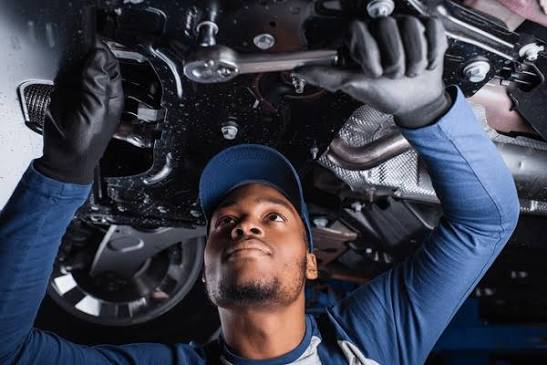
Once you’ve tackled these basics, consider the water pump. This component is responsible for circulating coolant throughout your engine. If it fails, your cooling system won’t work effectively, leading to overheating. Listen for unusual noises or check for leaks around the pump; if you notice anything amiss, you might need to consider a cooling system repair.
After addressing these issues, it’s wise to monitor your vehicle for any further temperature warnings. If you continue to receive alerts even after performing these checks and repairs, it could indicate a more significant problem, such as a blown head gasket or internal engine damage. In that case, seeking professional help is essential.
Remember, your vehicle’s cooling system is critical for maintaining optimal engine performance. Taking proactive steps to diagnose and resolve cooling issues can save you from expensive repairs down the road. Don’t let repeated engine temperature warnings go unchecked; the sooner you act, the better. Whether it’s checking coolant levels or considering cooling system repair, staying on top of these tasks is essential for keeping your engine running smoothly.